OpenAI's GPT Image 2.5 models are in the ApexApi catalog as openai/gpt-image-2.5-flare and openai/gpt-image-2.5-sunburst. Two new quality levels, sharper edits, and prices from $0.0071 per image all-in. Here's what changed, what each level costs, and which model to pick.
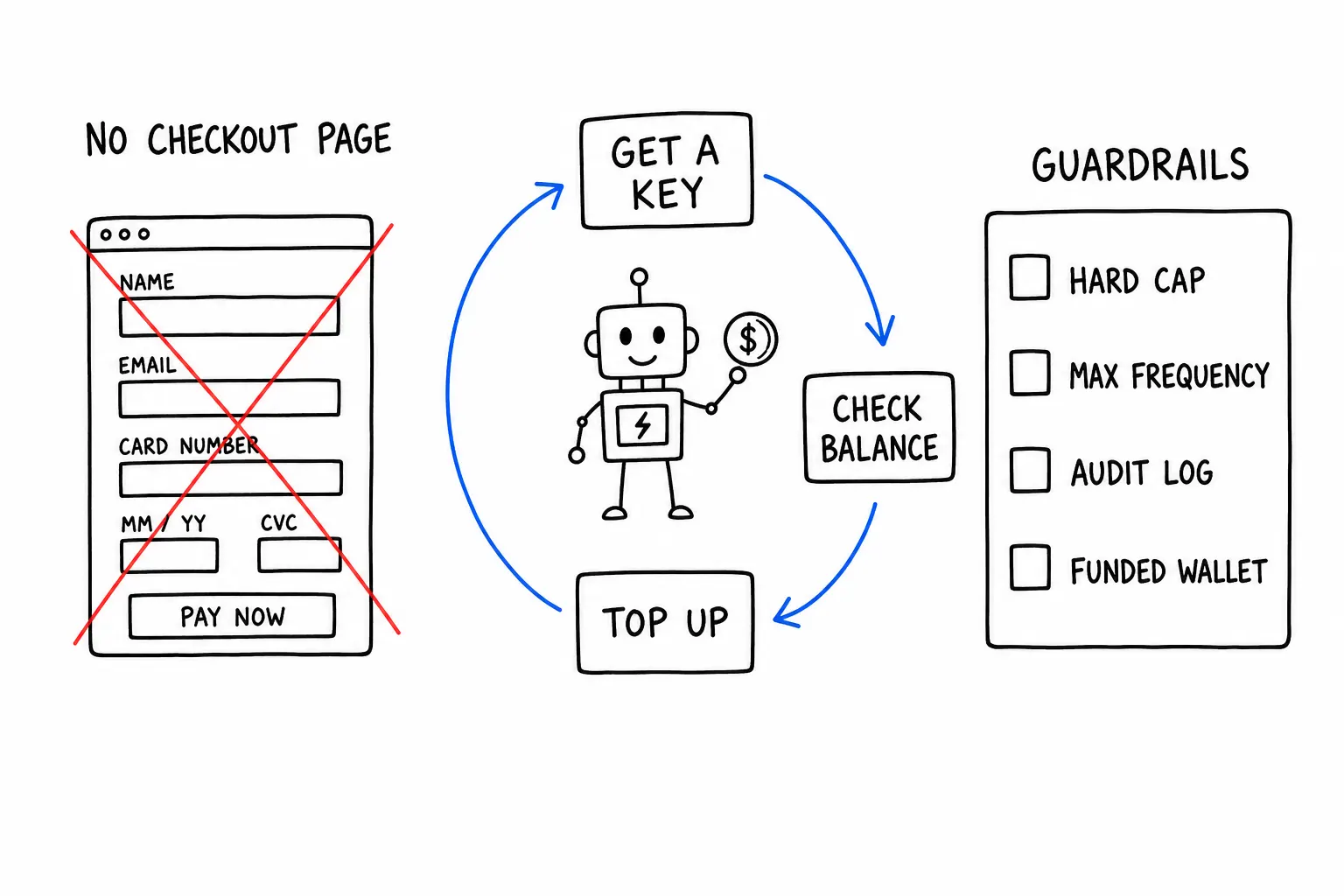
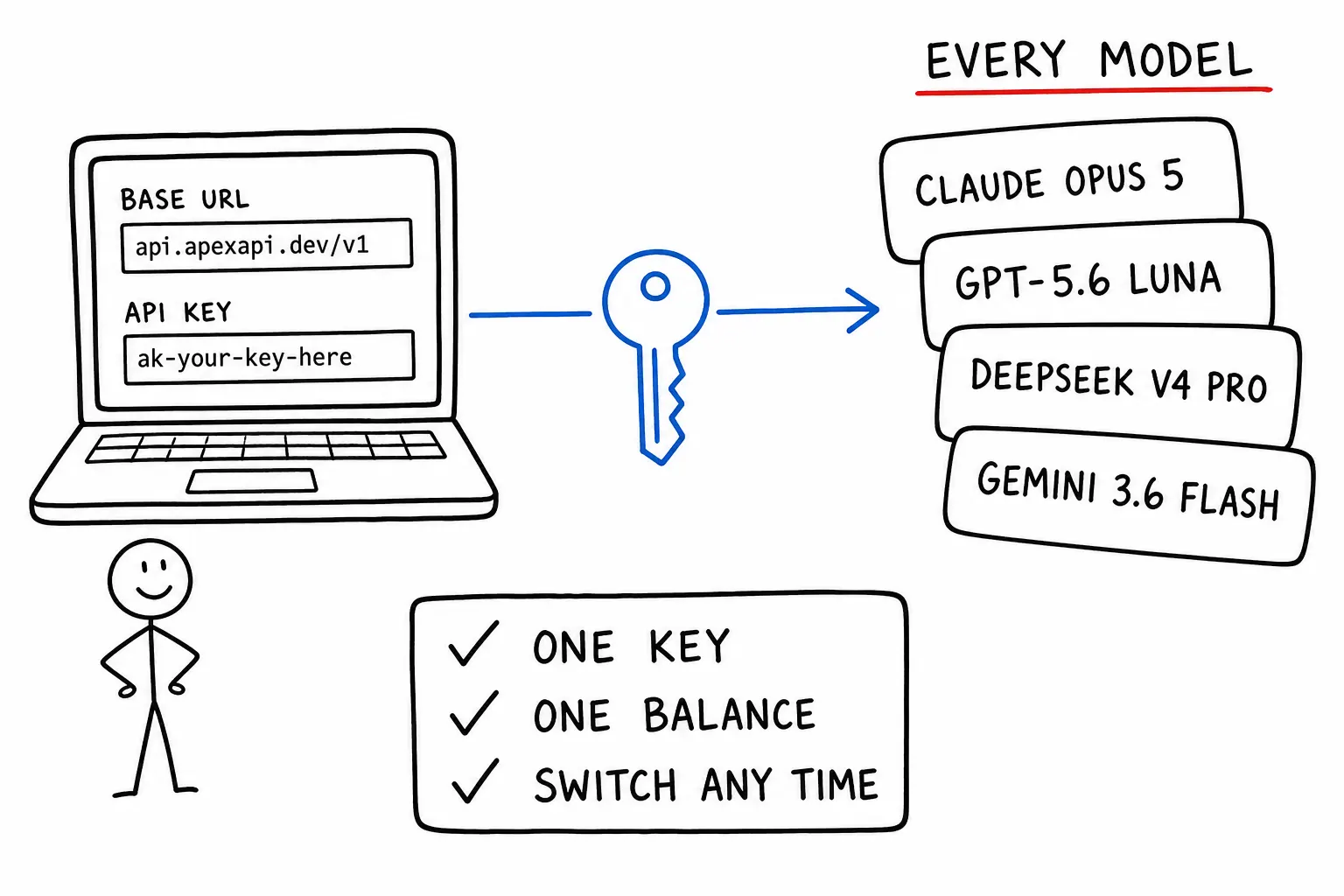
Registration, balance and top-up as three HTTP calls instead of three web forms. The flow, the caps that keep it safe, and when a human is still required.
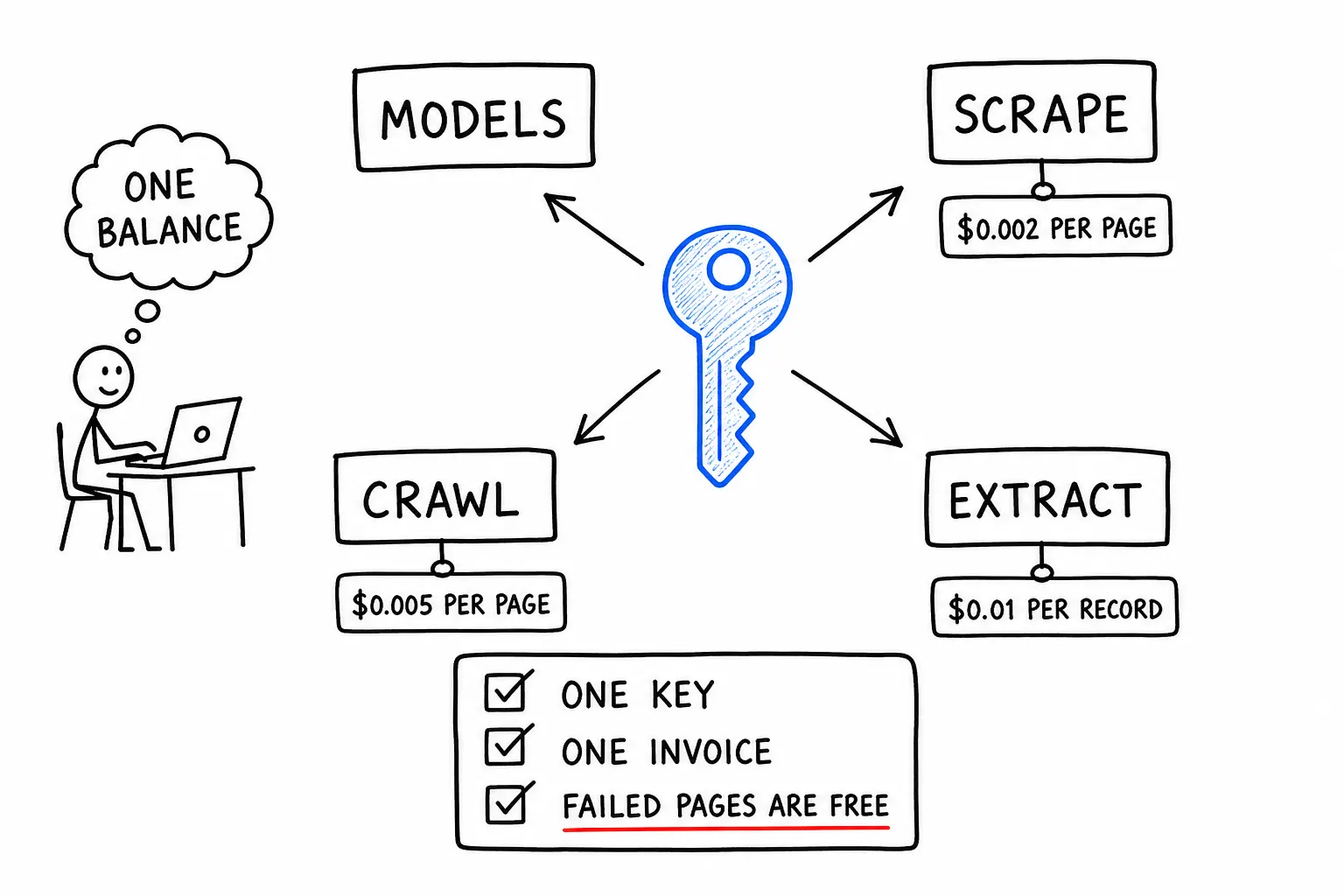
Three web context endpoints on the balance that already pays for inference. What each one costs, when to reach for which, and what you stop maintaining.
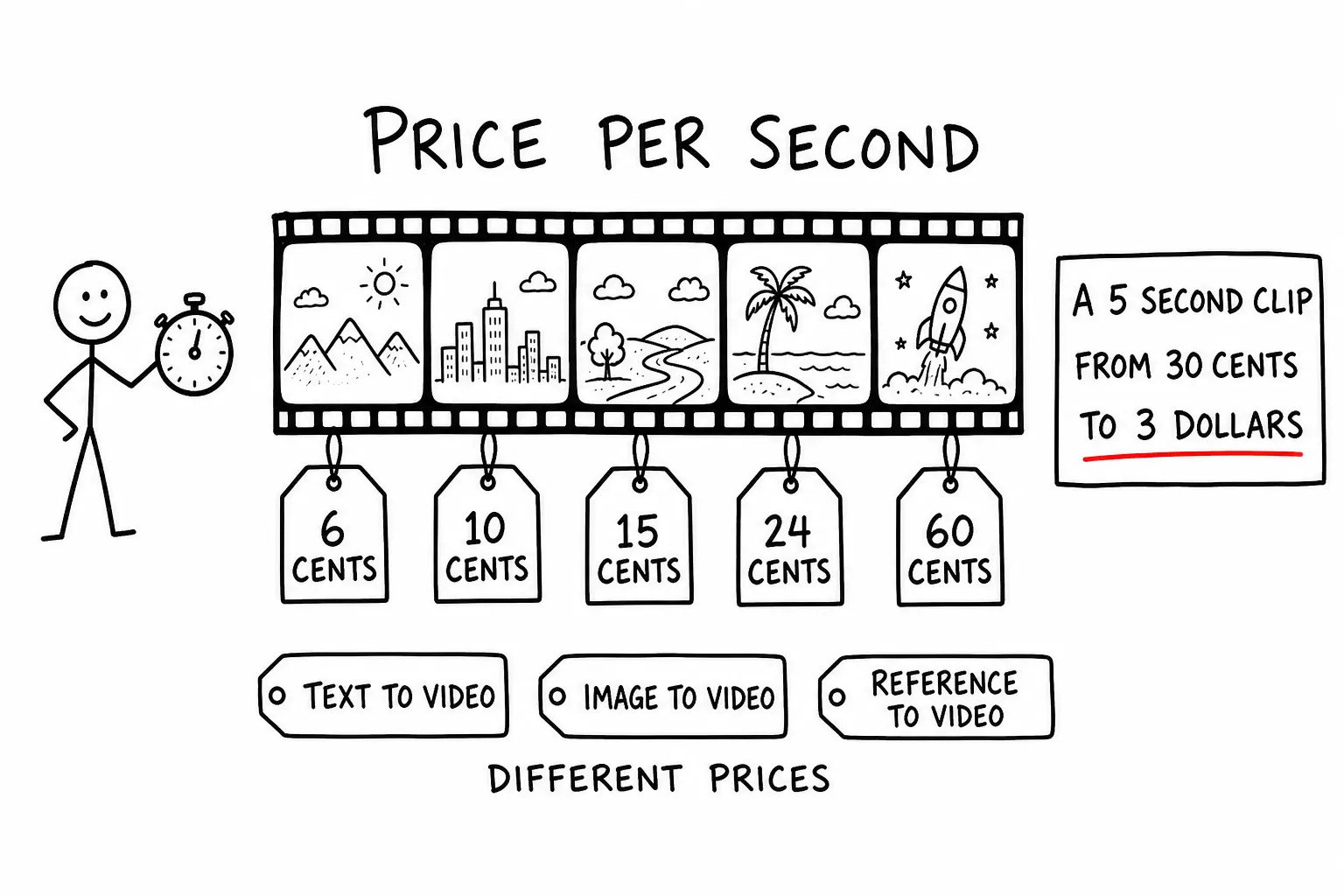
Veo, Seedance, Kling, Hailuo and Grok Imagine priced per second of output. A five-second clip runs from thirty cents to three dollars. Where the gap goes.
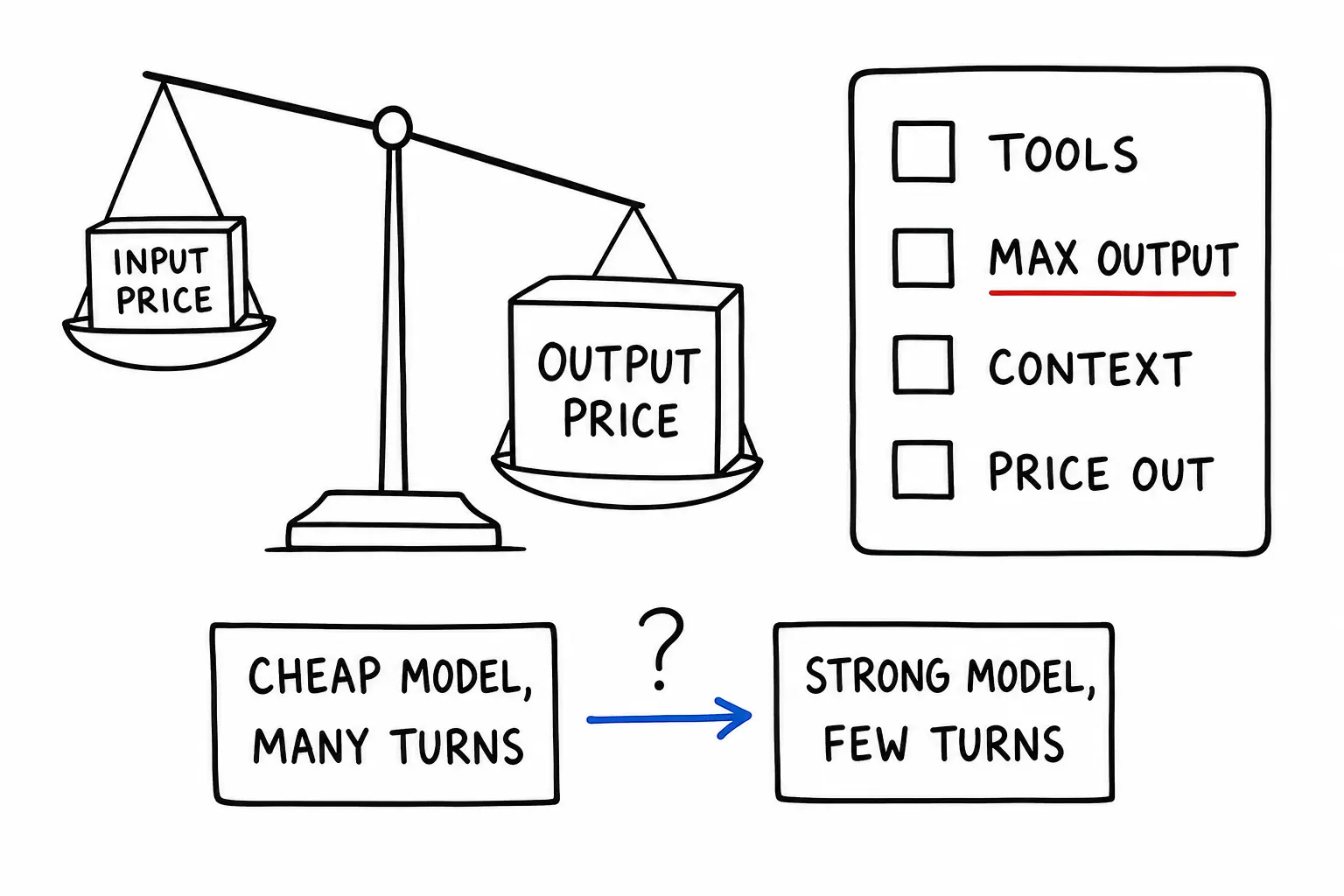
Output price dominates an agent's bill, not input price. Four catalog fields that decide whether a model can drive an agent at all, and how to read them.
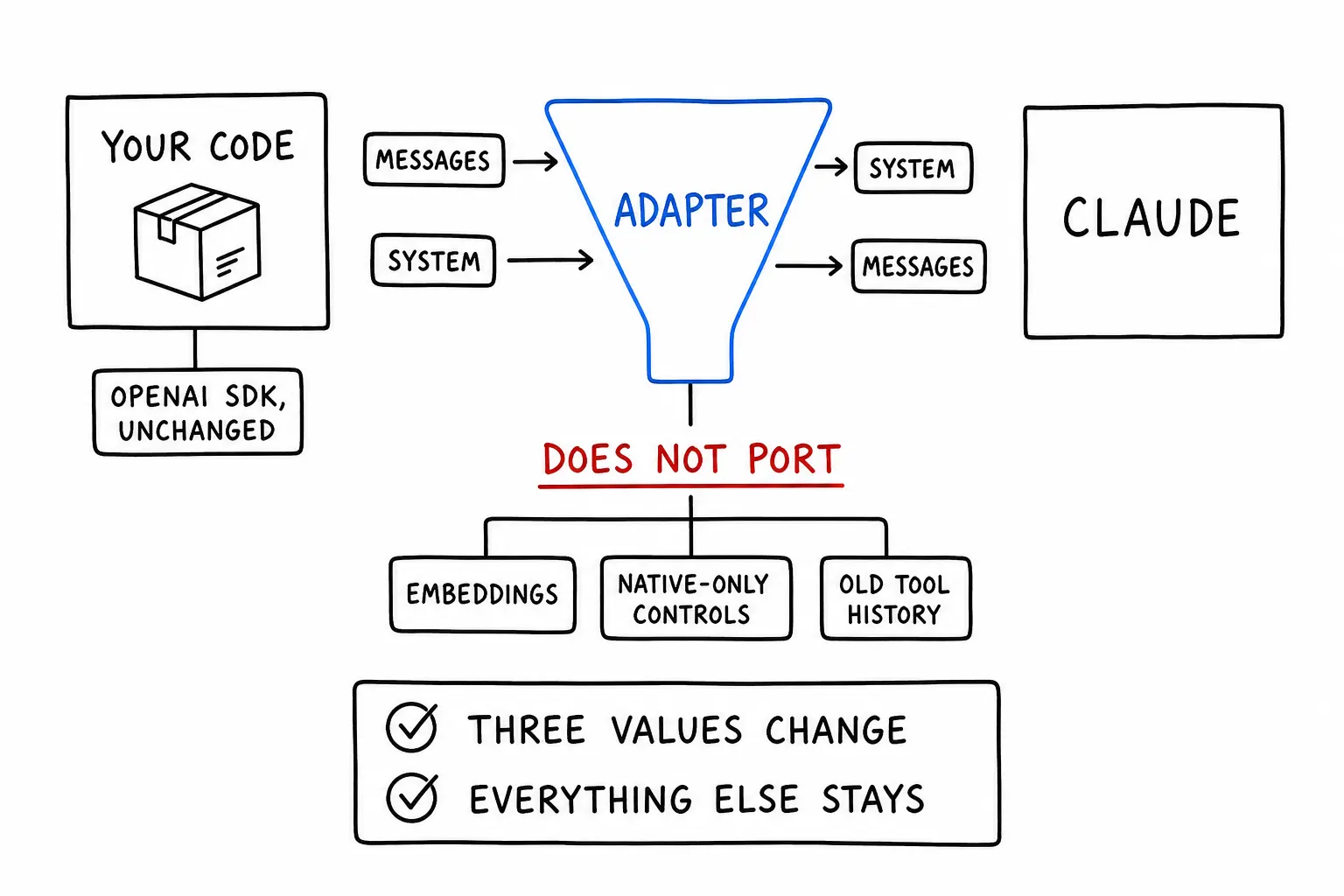
Keep the OpenAI client, change three values, call Claude. What survives the translation, what has no equivalent, and when to use the native SDK instead.